

This is the biggest day of my career
My friend! I was up until 2:00 AM putting on the finishing touches, but now I can officially launch my best course yet:
⭐ AI Agent Engineer ⭐
I’ve spent a decade teaching developers how to build better software.
But I’ve never seen our industry change this fast because of AI. New models, agents, and tools appear every day.
And I see so many talented developers feeling lost, barely scratching the surface of what’s possible.
Over the past year, I’ve pushed AI agents to their limits and completely reinvented how I build software.
And one thing became clear:
The future isn’t about writing better prompts.
It’s about engineering better systems around AI agents.
Harness Engineering to control your agents.
Context & Memory Engineering to make them smarter.
Verification & Review Engineering to ensure quality.
Loop Engineering to run them 24/7.
I learned all of this the hard way.
So I built the course I wish I had when I started.
To help you go from using AI agents to engineering a team of agents.
8 core modules. 55 lessons. 27 hands-on tasks on a real-world app.
Special launch offer available for 7 days only.
14-day money-back guarantee. No questions asked.
The 8 Modules
1. Fundamentals
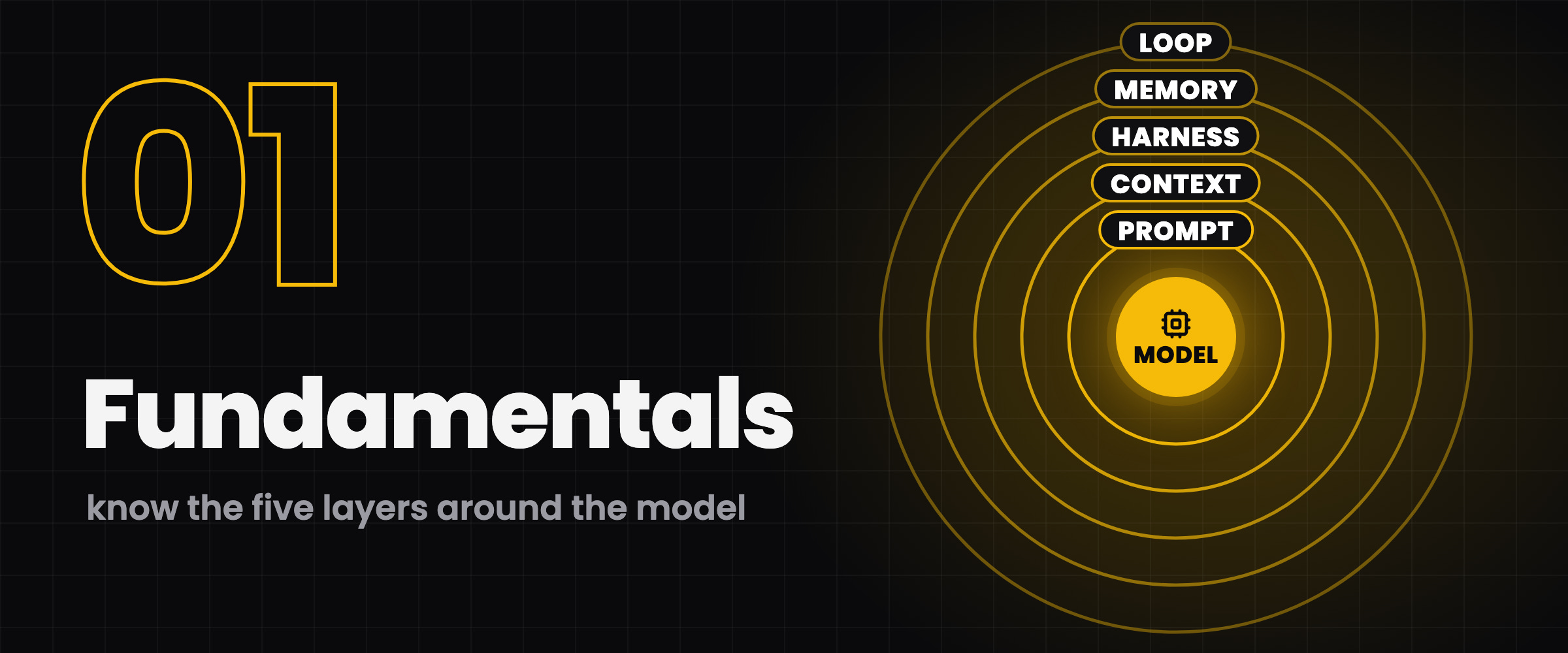
Most developers fix every agent mistake the same way: they rewrite the prompt. In the next session, the agent makes the same mistake again.
An agent is a model plus five layers: prompt, context, harness, memory and loop. When it fails, find the layer that broke: for example, a missing file is a context engineering problem, a broken rule is a harness engineering problem, and a forgotten fact is a memory engineering problem.
👉 In the course, I teach each layer in its own lesson, with examples and fixes of what breaks when that layer is not well configured.
2. Harness engineering
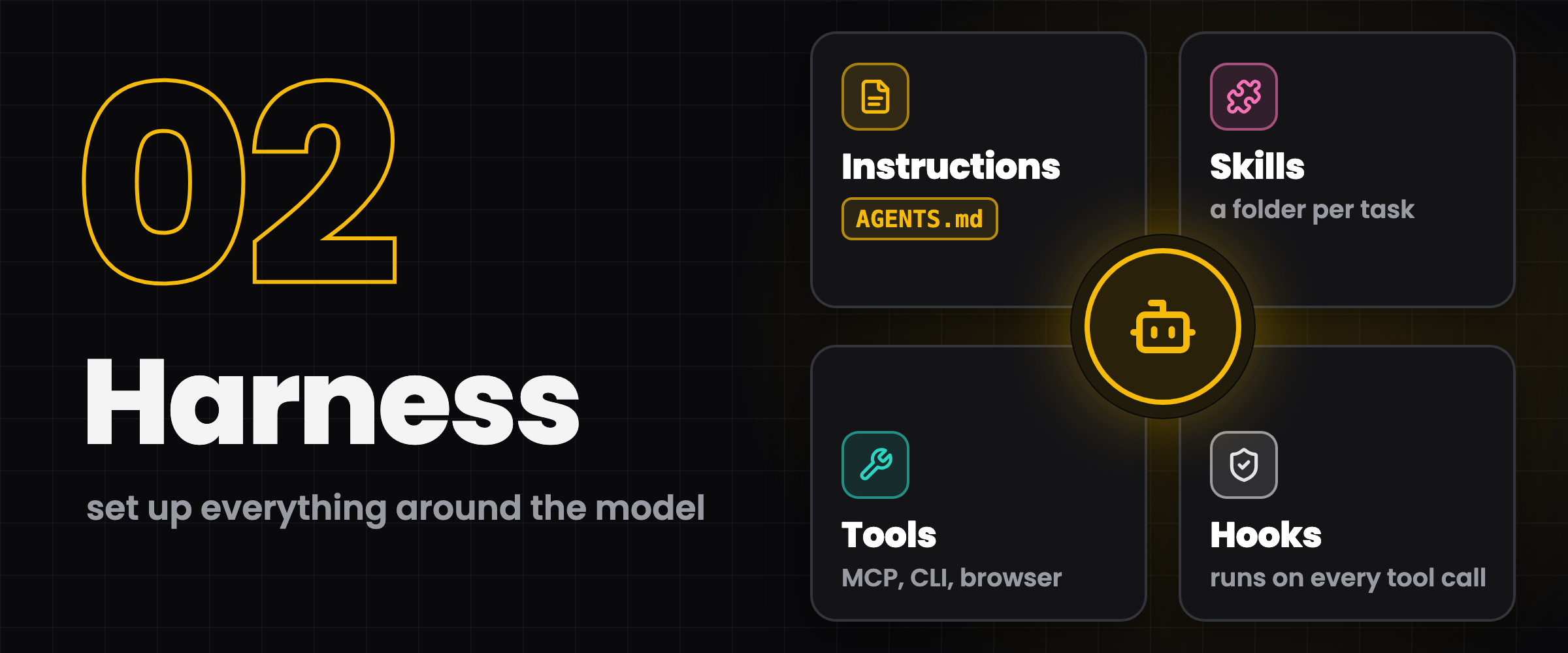
Most developers type the same corrections to their agent every day: use this helper, run that command, never touch that file.
The harness is everything around the model that your agent loads in every session: an instruction file for your rules, skills for your workflows, sub-agents for side tasks, and hooks that block the actions you forbid.
👉 In the course, I show you how to build a harness for your own repo, with ready-made hooks and skills you can use right away.
3. Verification
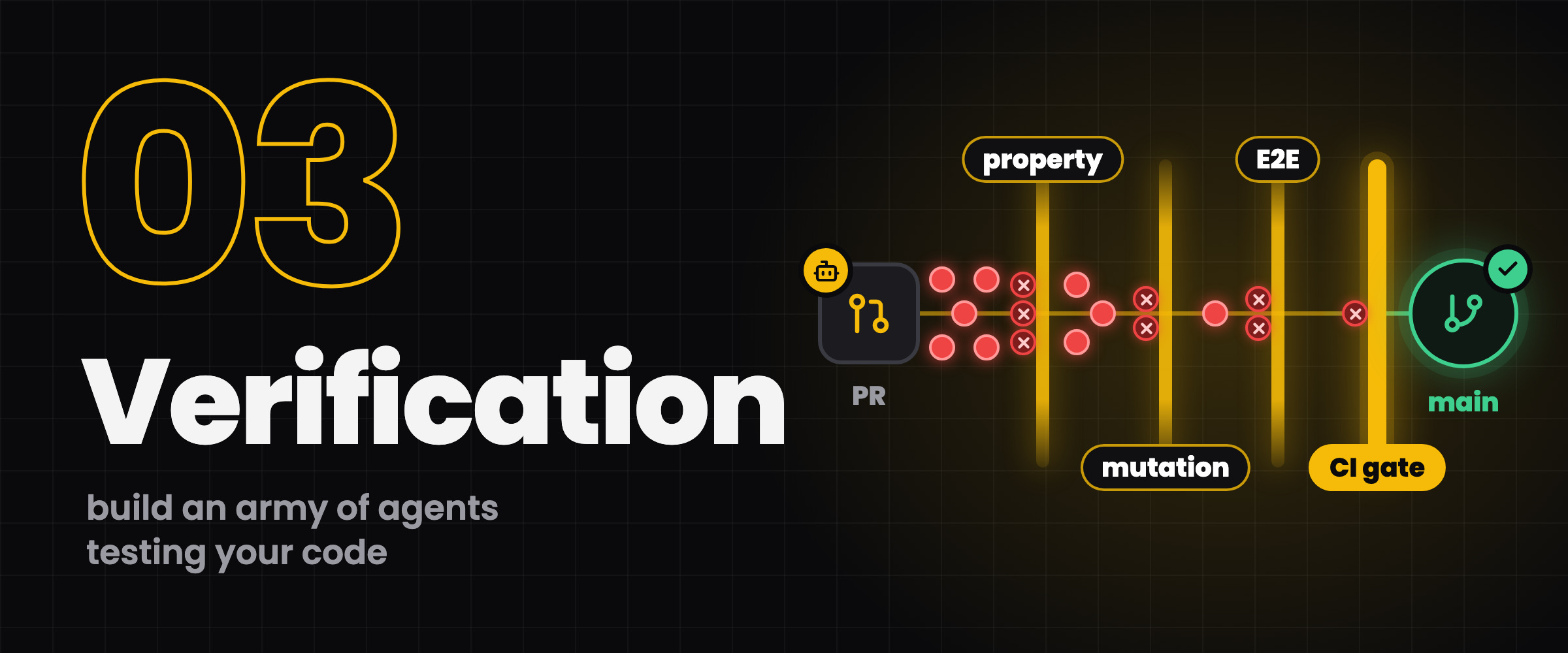
Your agent says “all tests pass”, and the bug still reaches production. It writes the assertions from its own code, so they repeat its mistakes.
Mutation testing plants small bugs in your code and shows which ones your tests miss. Property tests try hundreds of random inputs, end-to-end tests click through the real app, and a CI gate runs all of them on every pull request.
👉 In the course, I show you how to set up each layer of tests on a real app, and you get all my testing skills, so your agent writes the tests, attacks them and fixes the gaps.
4. Review
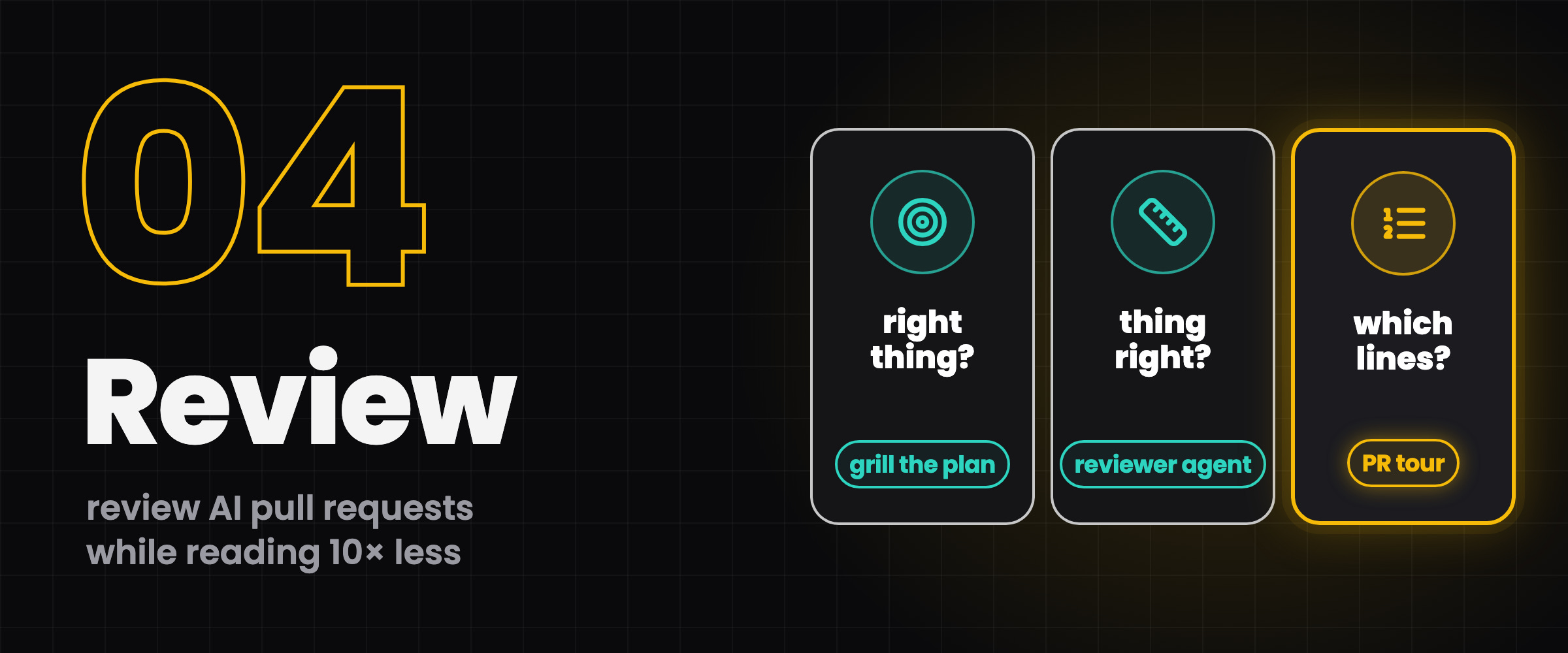
Agents generate more code than any human can review line by line.
So you move the review before and after the code: the agent grills your plan first, a reviewer agent checks the change after, and a PR tour shows you what to read. As a result, you will read 10× less code.
👉 In the course, I show you my full review workflow on a real pull request, and you get the four skills behind it, ready to use in your own repo.
5. Memory engineering
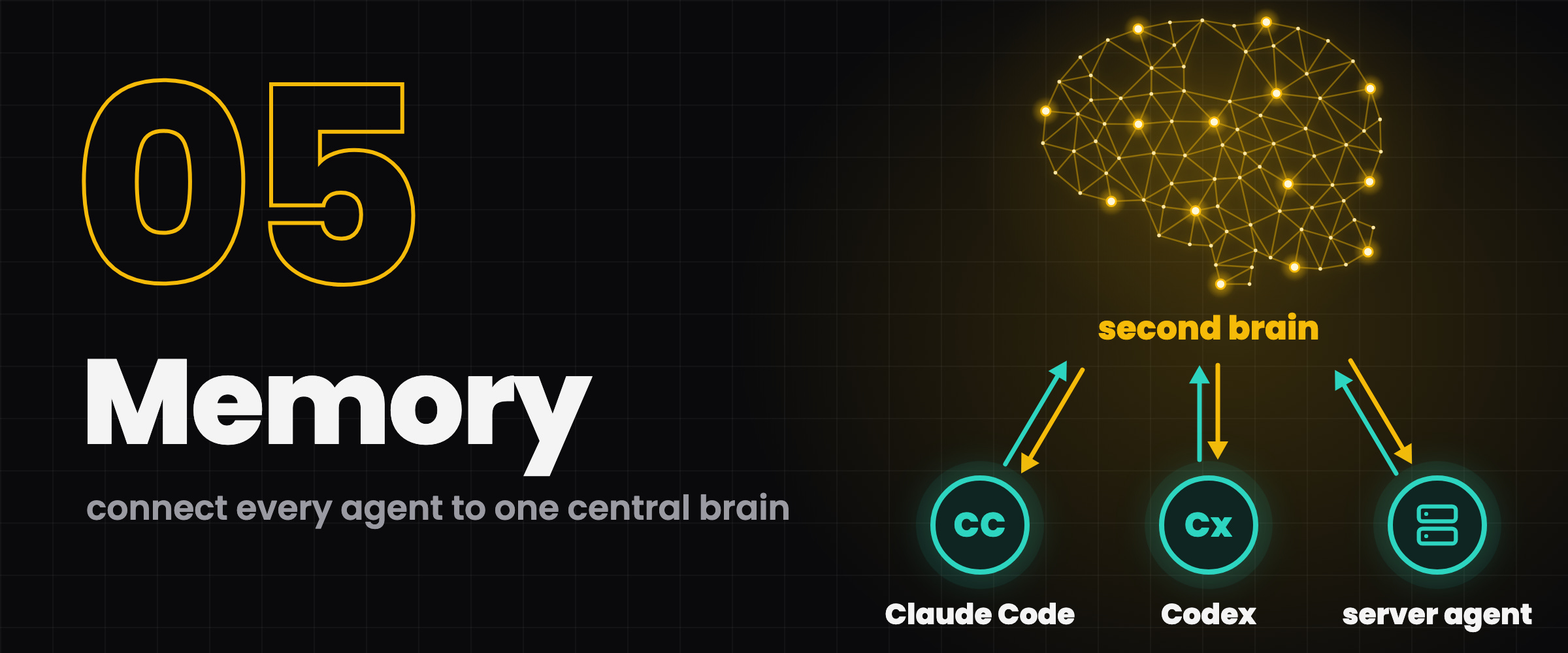
Every morning, you explain your project to your agent again: the architecture, the decisions, the approaches that already failed.
A second brain is one git repo with your facts, decisions and rules. Every agent you run reads it when a session starts and writes to it when it learns something new.
👉 In the course, I help you set up your own second brain from my template, so you never explain your project to an agent twice.
6. MCP
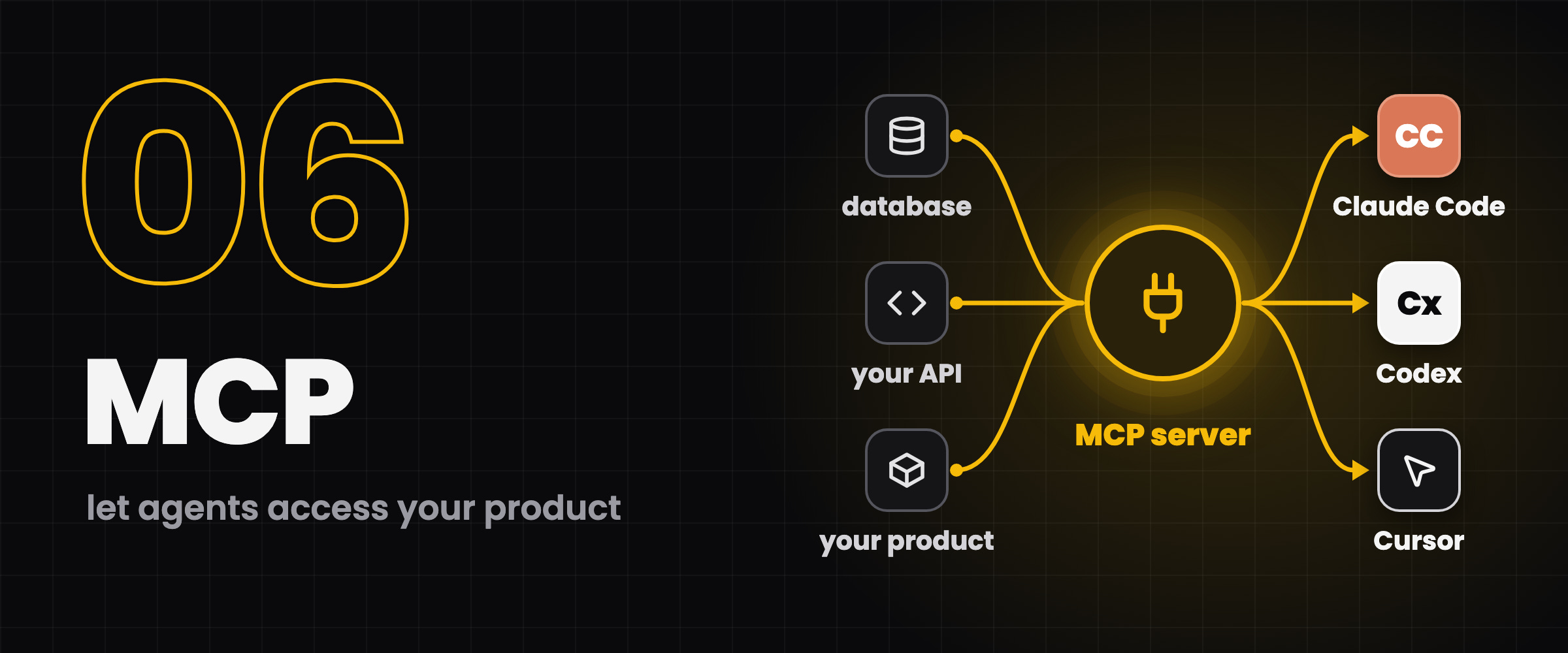
Your agent can read your code, but it cannot see your database, your internal tools or your product. So you copy the data into the chat by hand.
MCP, the Model Context Protocol, is the standard way to give an agent new tools. Build one MCP server for your system, and Claude Code, Codex and Cursor can all use it.
👉 In the course, you build an MCP server for a real app, and you get a skill that adds one to your own app, so any agent can use your product.
7. Loop engineering
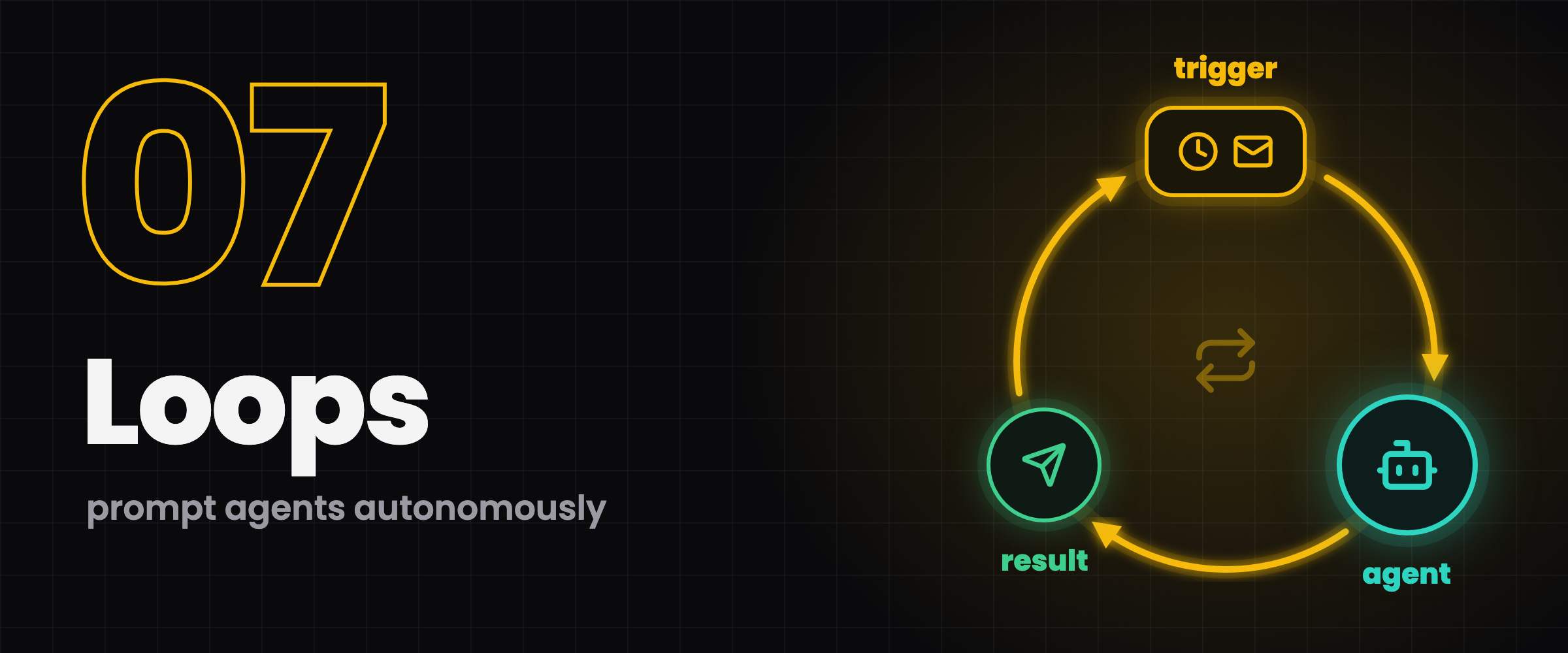
Your agent finishes a task in ten minutes, then waits hours for your next prompt. You are the trigger. You are the bottleneck.
A loop replaces you as the trigger. A cron schedule, a new email or a failing CI run sends a prompt you wrote once, and a check tells the agent when the task is done.
👉 In the course, you build a loop that turns a customer’s bug email into a tested fix and a pull request, every hour, while you do other work.
8. AI employee
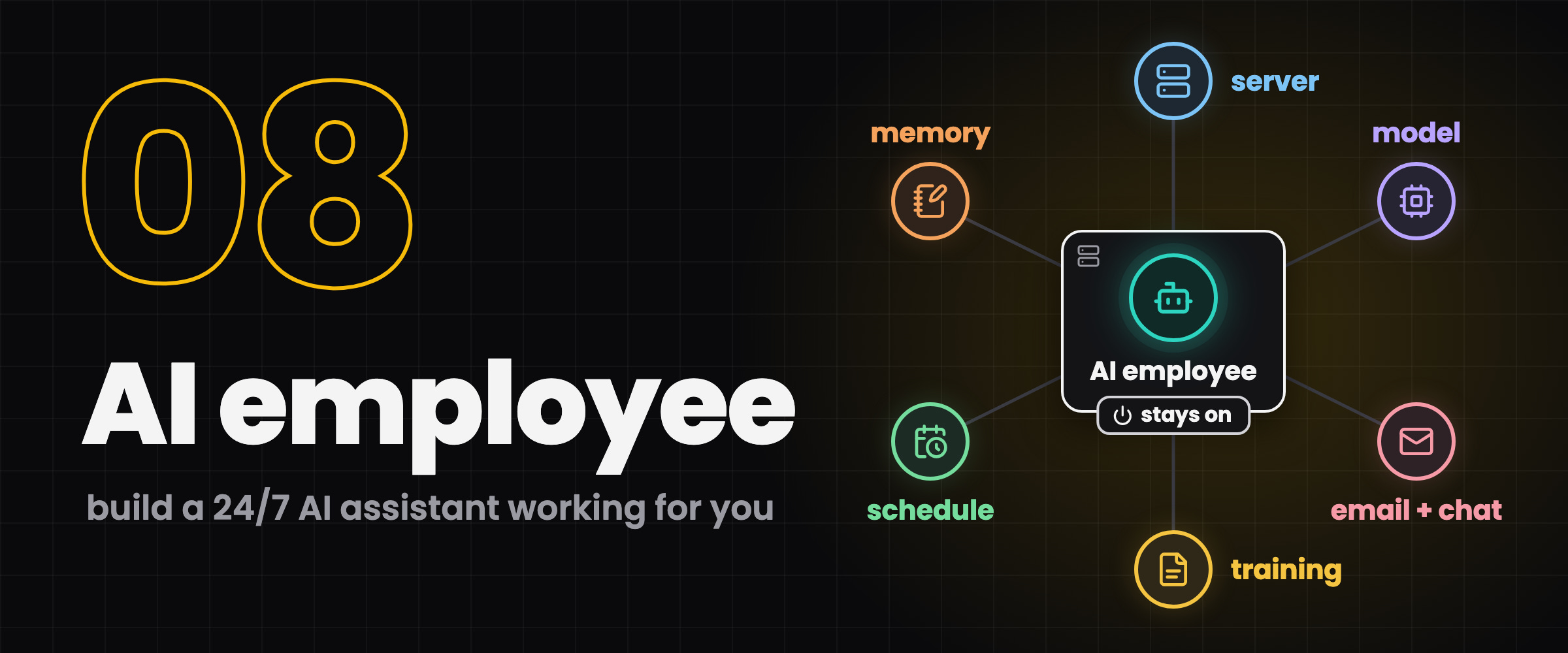
My AI employee reads the bug reports in my inbox, fixes them and opens pull requests while I sleep.
An AI employee is an agent with its own server, its own accounts, its own second brain and a recurring job. It combines all the modules above.
👉 In the course, you set up your own AI employee on a server, step by step, and give it its first job. My setup guide and tested config come with it.
Get Access Now
You just read the 8 modules of agentic engineering. In AI Agent Engineer, I teach each one with multiple video lessons and hands-on tasks on a real app.
The launch price is $199 until Monday 2 November.
Then it goes up to $299.
If you join this week, you save $100.
14-day money-back guarantee. No questions asked.
See the full curriculum and start today 👇